Vegetables Graphic Clipart: Fresh Design for Every Project
Let's be honest, finding the right visual asset can feel like searching for a needle in a digital haystack. You need something that’s high-quality, versatile, and doesn’t look like it was pulled from a 2005 clip art CD. That’s where a well-curated set of Vegetables Graphic Clipart changes the game. This isn't just a collection of simple produce images; it's a toolkit for injecting life, color, and a sense of wholesome energy into a wide range of projects. Think of it as your go-to pantry of design elements, ready to be sliced, diced, and served up in countless creative ways.
More Than Just Carrots and Broccoli
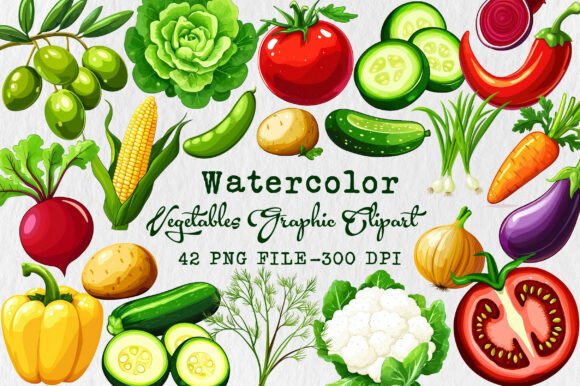
The visual character of a clipart set matters more than you might think. A set like this, featuring 42 high-quality designs at 300 DPI and a generous 12x12 inch size, is built for serious work. The transparent background is non-negotiable for modern design—it means these vegetables can be dropped onto any surface, from a recipe card to a social media post, without that awkward white box around them. The style leans towards a vibrant, illustrative feel. These aren't photorealistic, which is a strength. They have personality. A carrot might have a friendly curve, a broccoli floret could have a playful texture. This approachable style makes them perfect for projects aiming for a natural, organic, or handmade aesthetic without sacrificing professionalism.
So, where do they work best? The applications are surprisingly broad. For recipe cards and cookbooks, they add instant visual flavor. In planners and journals, they create themed sections or decorative accents. For packaging design, especially for organic foods, meal kits, or farmers' market brands, they establish immediate recognition and trust. They’re a dream for sticker sheets, sublimation projects on mugs or tote bags, and classroom materials where engaging visuals are key. Even digital products like printable planners or blog graphics can be elevated with these elements, creating a cohesive brand feel that’s both professional and inviting.
Building a Cohesive and Engaging Visual Language
The real power of a consistent asset library like this Vegetables Graphic Clipart pack is its ability to build brand perception. Using the same style of illustration across your social media graphics, your website’s sidebar, and your printed materials creates a visual shorthand. Your audience starts to recognize your "look" before they even read the text. It’s a cornerstone of a strong brand identity. The colorful, healthy vibe of these graphics can subtly influence how people feel about your content or product—it suggests freshness, care, and attention to detail.
From a practical design standpoint, these assets are incredibly useful for creating visual hierarchy. A bold vegetable graphic can act as a focal point on a busy page, guiding the viewer's eye. They can break up long blocks of text in editorial design or serve as charming icons in an infographic. Because they’re PNG files with transparent backgrounds, they integrate seamlessly into design software like Canva, Photoshop, or Cricut Design Space. You can resize them, layer them, and combine them with text and other elements without technical headaches.
Practical Guidance for Using Your Clipart Effectively
Having great assets is one thing; using them well is another. Here’s some straight talk on getting the most out of your download.
Evaluate the Fit for Your Project. Before you dive in, consider the overall tone of your work. These illustrative vegetables pair beautifully with handwritten fonts for a rustic, artisanal feel. They also work surprisingly well with clean sans serif fonts for a more modern, health-conscious brand. Avoid pairing them with overly formal serif fonts or complex script fonts unless you're deliberately creating a high-contrast, eclectic look.
Test Font Pairings. Don't just slap a graphic next to text. Experiment. Place a broccoli illustration next to your brand name in a bold display font. Use a line of carrots as a divider between paragraphs set in a readable sans serif font. The goal is harmony, not competition. The clipart should support the message, not distract from it.
Mind the Scale and Context. A large, detailed tomato might be perfect as a hero image on a menu, but it could overwhelm a business card. Use the larger, more complex illustrations as focal points and the simpler, smaller elements as accents. In web design, consider using them as subtle background elements or in hover states. For print projects, ensure the resolution is high enough for the final size—this is where the 300 DPI and 12x12 inch specifications are your safety net.
Understand the Licensing. This is crucial. The included commercial license is a major benefit. It means you can use these designs in products you sell, like printed planners, packaged goods, or digital templates, without worrying about legal gray areas. It’s a clear, practical advantage for entrepreneurs and small business owners. Always double-check the specific terms, but this kind of license is designed for real-world commercial use.
Ultimately, a resource like this Vegetables Graphic Clipart set is about empowering your creativity. It’s a practical, high-quality solution for a very common design need. Whether you’re a blogger sprucing up a post, a crafter making stickers, or a brand manager building out a product line, having a reliable, professional set of graphics saves time and elevates your output. It’s not about flashy effects; it’s about consistent, useful, and engaging design assets that help you tell your story more effectively. Dive in, experiment, and see how these fresh elements can transform your next project.